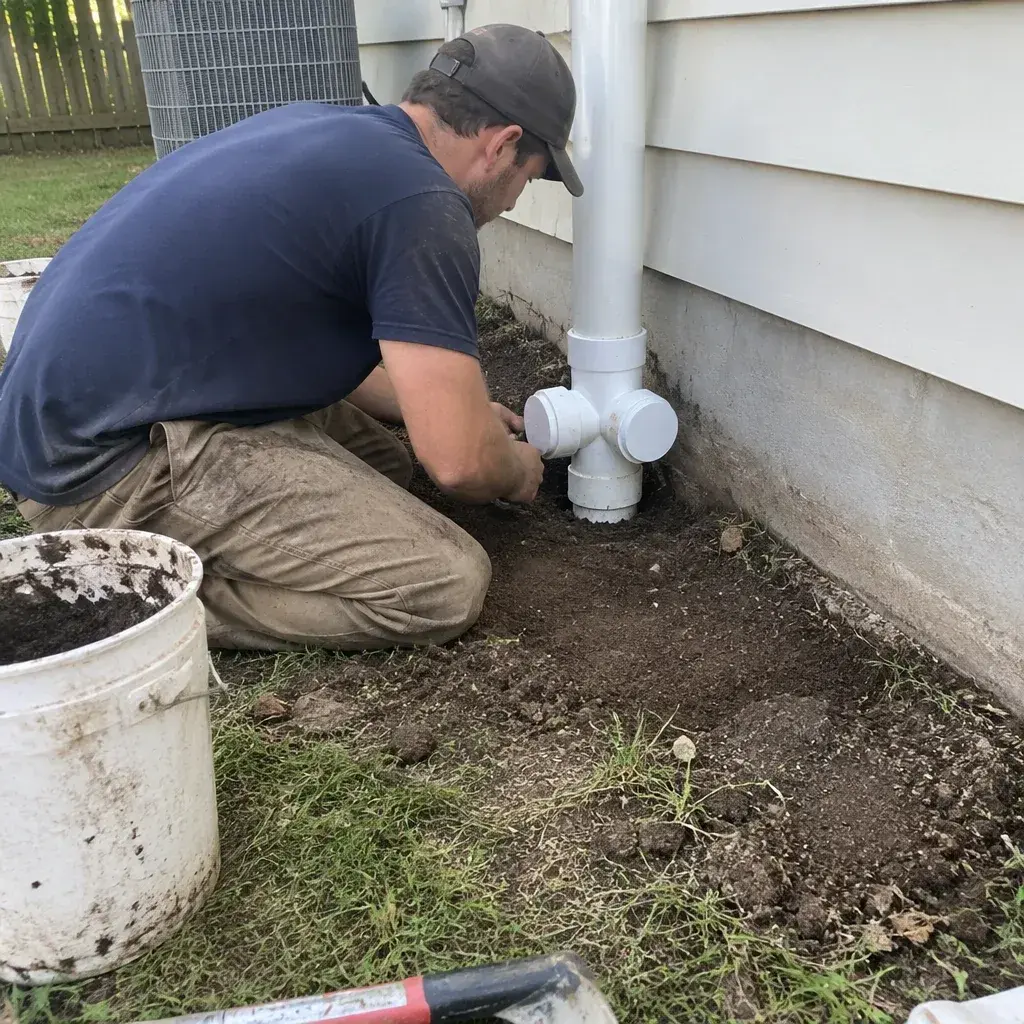
Returning Home
When can you return after sewage cleanup in Everett? Follow an ordered check of completed work, inspection findings, drying, and area-by-area readiness.
Read article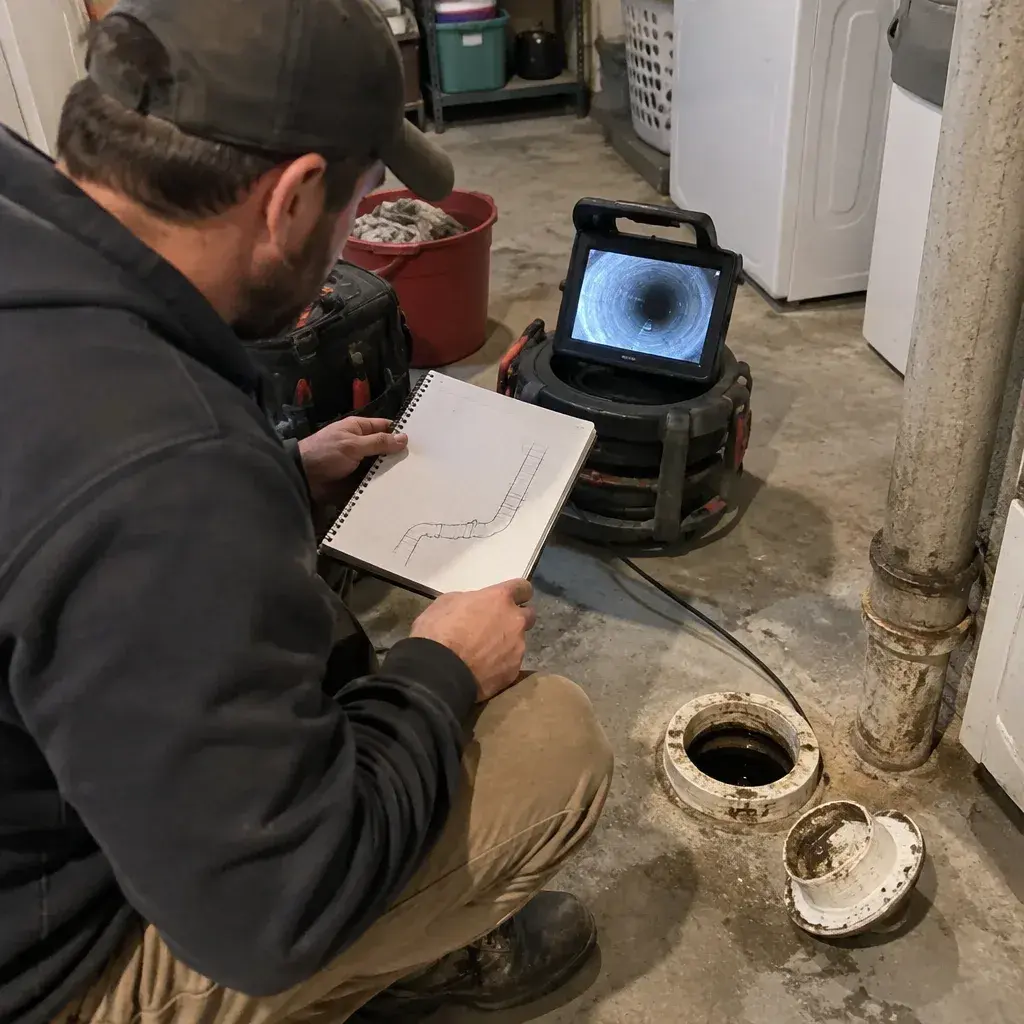
Cost turns on how far sewage traveled, what absorbed it, and how much building material must be dried. What needs removal can differ from what can be cleaned and disinfected in place. Drying follows to address moisture left in the structure. Drying addresses moisture within the structure, a separate concern from contamination on affected surfaces. A plumber traces and repairs line problems; cleanup handles indoor contamination.
Keep affected belongings separate until the assessment determines how they will be handled. In Everett, containment separates the work area from cleaner parts of a house; extraction removes sewage before the pros we connect you with handle damaged finishes. A small shop near Langus Riverfront Park may also need to keep customers away from the affected space. Ask what will be isolated, how removed material will be handled, and which surfaces need cleaning and disinfection. Could a plumber investigate the sewer line or another source of the backup?
Ask the assessor to explain room by room which surfaces can be treated in place and which porous items may need to go; wiping may not be enough when sewage reaches absorbent material. You can also ask how the affected area will be separated from clean rooms and what disinfectant label directions guide its use. To document damage, photograph affected items and make an item list before disposal. A plumber addresses the sewer line problem; cleanup addresses contamination inside. These questions apply across Everett, including near Langus Riverfront Park and Howarth Park.
When can you return after sewage cleanup in Everett? Follow an ordered check of completed work, inspection findings, drying, and area-by-area readiness.
Read article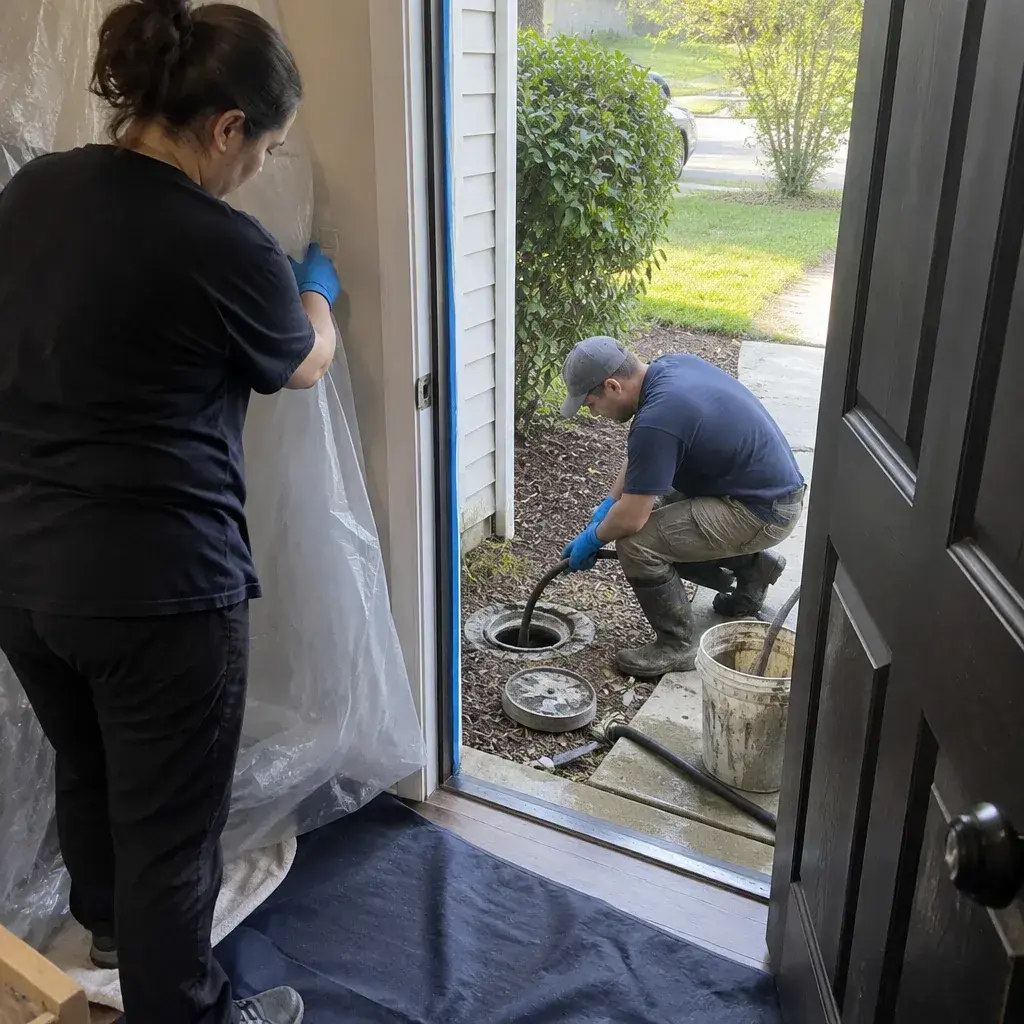
Can you stay home during sewage cleanup in Everett? See how room access, containment, and household needs shape that decision.
Read article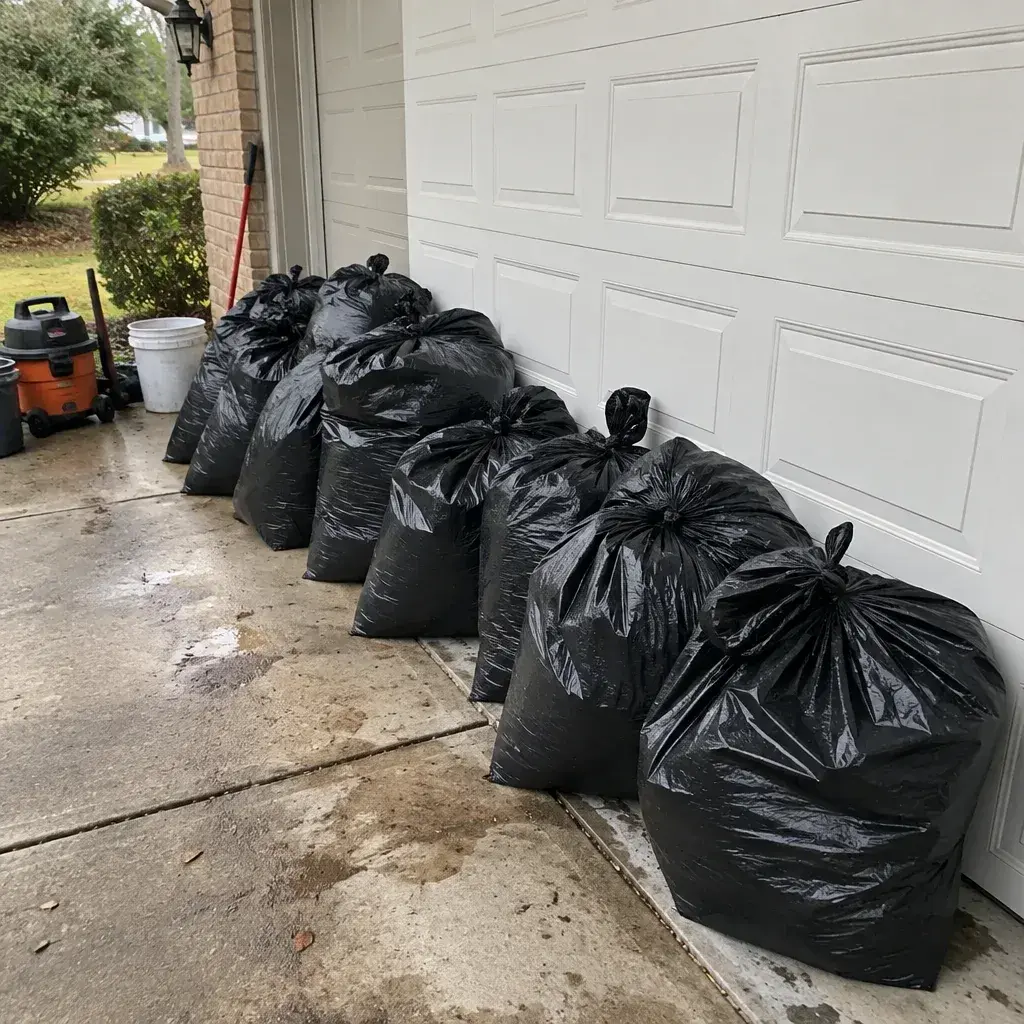
How quickly can a cleanup company reach an Everett property after a sewage backup? Ask what details the provider needs before discussing an arrival estimate.
Read article
Everett cleanup timelines follow affected rooms, material removal, treatment, and drying. See how each stage fits together and what schedule changes to ask about.
Read articleThese guides do not credit a named writer or technical reviewer. These guides describe cleanup after sewage enters a building, rather than steps for preventing a backup. The order matters because carrying wet debris through clean rooms can spread contamination. In an Everett home or small shop, the layout and materials affect the work, so the guide is a starting point rather than an assessment of your property.
There is no review date shown, so the page cannot tell you when someone last checked the information. Treat it as general cleanup guidance and confirm address-specific instructions with the agency serving your Everett property. If sewage reached flooring, wall cavities, or stored belongings, what must be removed and dried depends on the extent of contact. A general guide cannot determine that from your location alone.
Check Everett’s sewer information for local context, then confirm the provider and connection for your address; a ZIP code alone cannot settle that. Sewer layout provides context, but it does not show which interior materials were reached by sewage. A home near Forest Park or Silver Lake still needs address-level confirmation. Overflow monitoring or proximity to Snohomish River does not identify what caused a backup inside your property.
When sewage enters a house, trace its visible path across rooms and note flooring, wall materials, and belongings it touched. Drying may still be needed after visible sewage has been removed. In Everett, a small business near Riverfront Park may need a different cleanup plan than a residence, depending on which materials absorbed contamination. Ask the pros we connect you with how they contain and extract sewage, what they may remove, and how they clean, disinfect, and dry what remains. What steps will the written scope describe?
Call (425) 548-1770