Cleanup Steps
Sewer Backup Cleanup Steps for Everett, WA
Which steps cover keeping debris contained, removing sewage and damaged items, cleaning surfaces, and drying the structure, and what should the plan say?
CONNECTION DETAILS
The first decision is what sewage reached: absorbent contents may have to go, while other surfaces can be cleaned, disinfected, treated for odor, and dried. Work may also involve separating the affected space and extracting wastewater. Cleanup addresses damage inside; tracing or fixing the blockage is plumbing work.
The next pages look separately at cleanup tasks, the reach of sewage contamination, damage that may persist, and estimated costs for cleaning and drying affected structures in Everett. Job planning estimates for cleanup work are shown in the pricing guide.
Step by Step
Each Stage of Cleanup
Answers Inside
Questions People Ask
Which materials can sewage affect beyond surface cleaning?
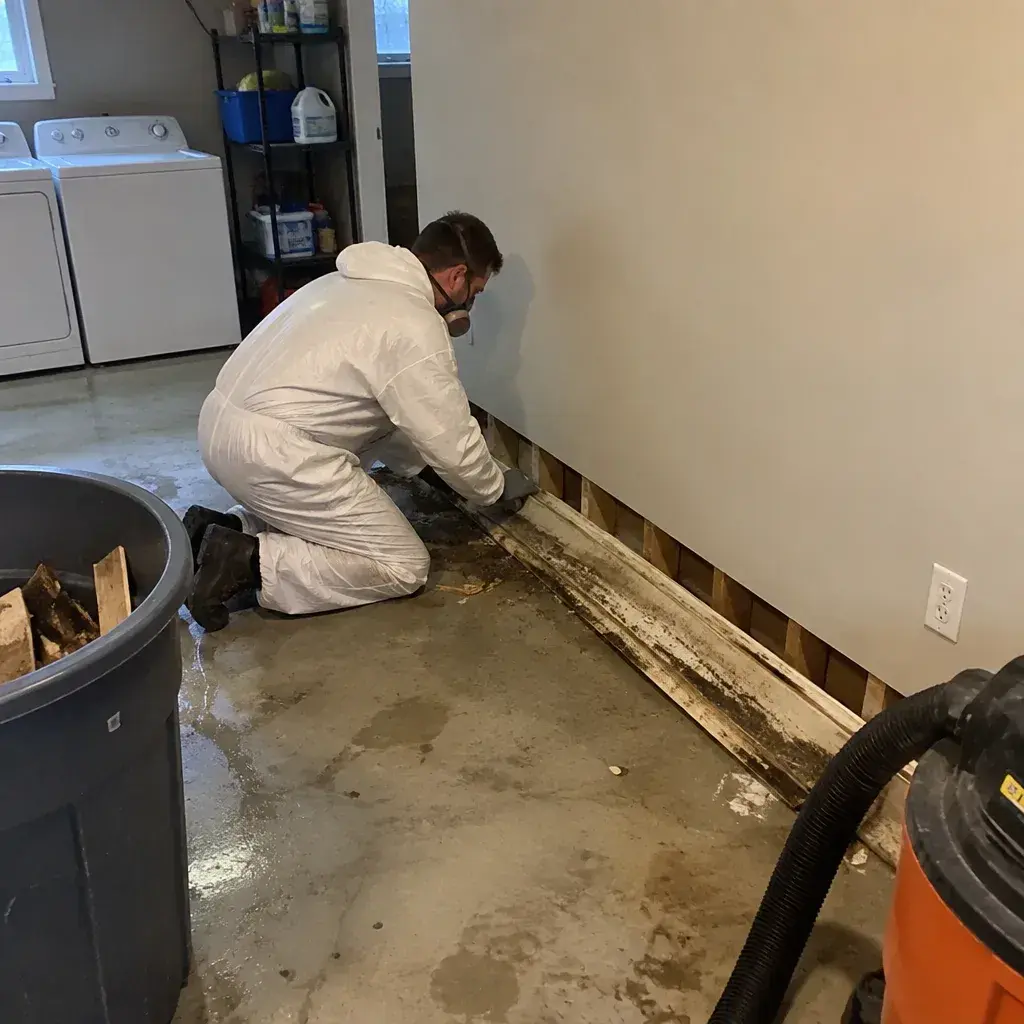
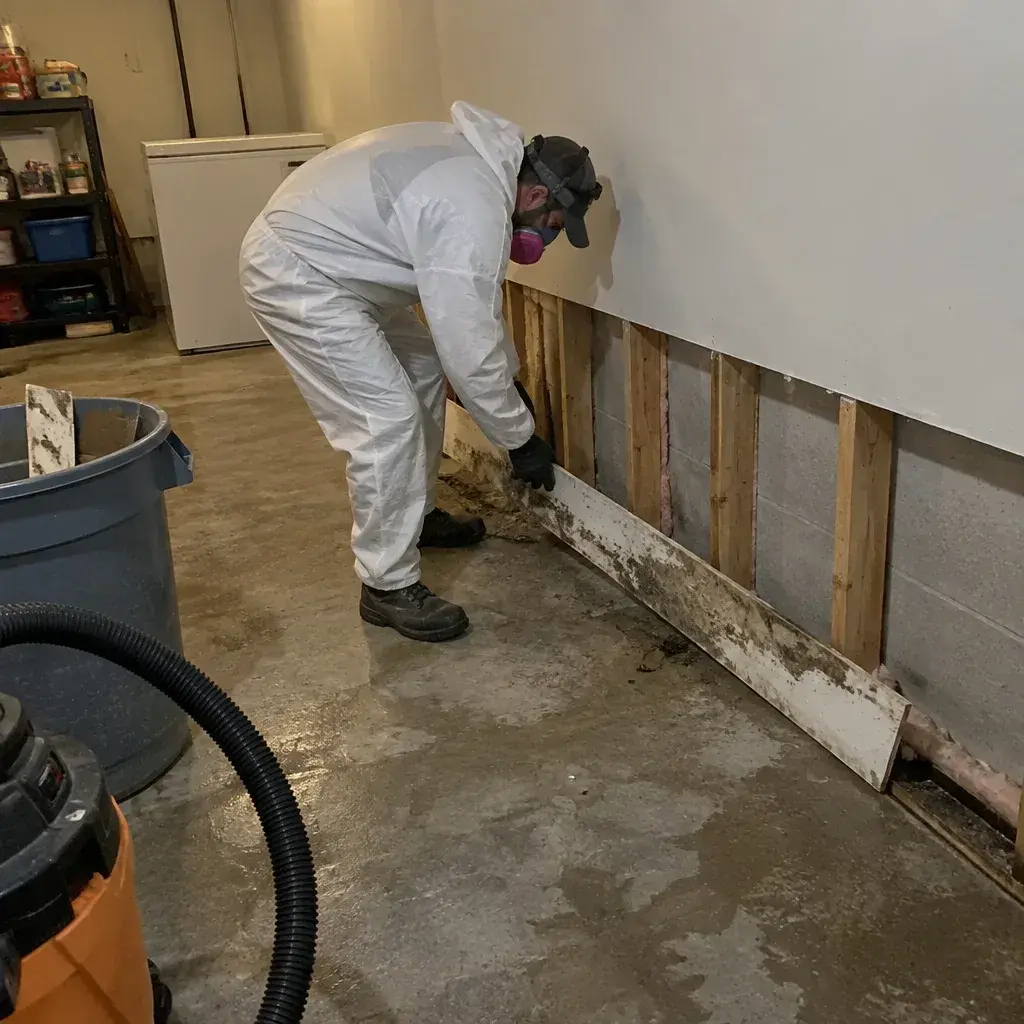
A dry-looking surface can hide sewage in absorbent layers, so avoid touching carpet, padding, stored items, or other material the water reached. Sewage can move beneath baseboards and into wall cavities, extending damage beyond the visible floor. Leave the inspection and handling of affected materials to the pros we connect you with.
How does an assessment determine what can stay?
At a small Everett shop, the review maps affected areas and checks the condition and type of each material. A visible mark alone does not show how far contamination traveled, and an intact surface is not automatically fit to keep. The findings separate material that can be cleaned from material too affected to retain, then define which surfaces need treatment and which parts need drying.
What does disinfection do after surfaces are cleaned?
Cleaning first removes sewage and residue from surfaces selected to stay. Disinfection then treats contamination that may remain on those cleaned surfaces; it does not make heavily affected porous material suitable to keep. In an Everett home, this step follows the material assessment and cleaning plan. Seams and joints can need attention because residue may collect there.
Why does cleanup include drying the building materials?
After extraction and surface work, moisture can remain inside affected building materials. Drying addresses that leftover moisture, so the cleanup scope includes the structure, not only what was visible on the floor. At a small commercial property in Everett, the amount and spread of damp material shape the drying work. The assessment identifies what needs drying; sewage removal alone does not finish that part.
Talk Through Options
Not sure which area was affected?
When you call, outline the affected rooms and materials. Ask about assessment and visit fees, scheduling, the written work plan, and any warranty terms with the pros we connect you with.
Call (425) 548-1770