Cleanup Needs in Homes and Shops
Slow drains or wastewater returning through a floor drain can signal that a sewage problem extends beyond one fixture. That city pattern is useful context, but it does not identify the system or backup cause at an individual house; the service connection must be considered by address.
Everett’s north end has combined sewers, while its south end has separated sewers. Public overflow information names Snohomish River and Port Gardner Bay as receiving waters; those local system differences do not establish why sewage reached a particular floor.
In Everett and elsewhere in Snohomish, cleanup inquiries can come from houses or small businesses after sewage reaches indoor spaces. Give the pros we connect you with the property address so they can confirm whether they serve that location and discuss cleanup of the affected structure.
When Odors Need Treatment
- SPREAD PATH
- Liquid can enter beneath flooring at joints, thresholds, or gaps around fixed floor features.
- FLOOR BUILD
- A floor finish and its underlayer may differ in how much sewage they absorb.
- WORK ZONE
- Porous materials can hold sewage residue below the surface, making them harder to clean than smooth materials.
- DRYING
- A mark at one seam can show contact without outlining the full hidden route.
- NEXT TRADE
- Cleanup handles indoor contamination; the cause and responsibility require property-specific review.
- SEWAGE REMOVAL
- Cool indoor conditions can slow drying, while warmer air may dry the floor’s surface before moisture below it is gone. In Everett, hidden layers need assessment through the drying process; the season or a dry-feeling finish alone cannot show that they are ready.
- DISINFECTION
- an estimated $3,500–$6,500
Separate Pipe Leaks From Sewer Intrusion
Ordinary water damage can also leave a stain, a raised edge, or a soft floor. Those surface changes overlap, but only the event history and assessment can establish whether sewage reached the hidden layers. A known sewage backup points to a different concern than an ordinary spill or plumbing leak. Warping and stains can look alike across sources, so appearance cannot establish whether sewage reached the layers below; the event history and cleanup assessment help distinguish them.
When Cleanup Hands Off To Plumbing
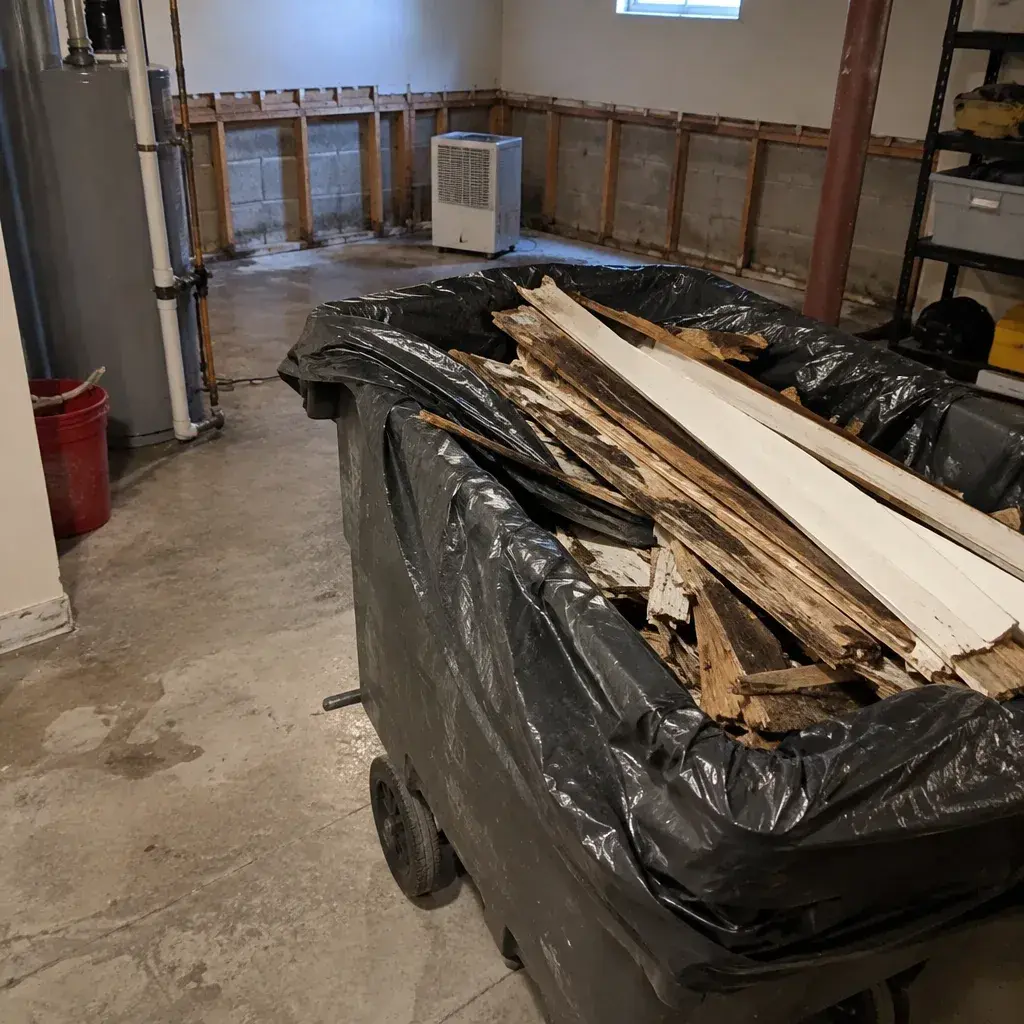
The pros we connect you with map the likely route from the backup point across floor joints, thresholds, and openings around fixed features. They separate the work area from clean rooms, then expose and identify the layers reached. Material that cannot be cleaned adequately is removed, with the removal extent guided by the observed contamination.
After removal, suitable exposed surfaces are cleaned and disinfected according to the product label, including its contact time. The remaining structure is dried, since the finish floor can feel dry while moisture persists below. In Everett, drying needs to account for the concealed layers, not just the room’s visible surface.
Scope and drying needs shape the cost. One visit may be enough if the backup has stopped, sewage is confined to accessible surfaces, and cleanup and drying can be completed. If moisture remains in building materials, follow-up drying may be needed. The materials sewage reaches help determine the cleanup work.
WHICH CONDITIONS KEEP DAMAGE WORK IN THE CLEANUP SCOPE
| Odor Treatment |
Set Cleanup Scope |
|---|
| Early discovery limited material damage | Structure cleanup |
| Contamination showing up again after sanitation | Source-line diagnosis |
| Residue reaches separate surfaces and belongings | Clear soiled materials; sanitize surfaces, dry |
Household Tasks That Avoid Sewage
Keep children, pets, and foot traffic away from the affected rooms. From a clean area, write down when the backup was noticed and which rooms have odor, staining, or dampness; this can help describe the event. Do not lift flooring, scrub seams, or move contaminated items through the house. Leave inspection, removal, and disinfection of hidden layers to a cleanup professional.
Keep Household Members Clear Of Affected Rooms
Sewage beneath flooring is a health concern because contaminated liquid and debris can carry harmful germs. Contact with skin, eyes, or an open cut can expose you, and tracking residue into another room can spread it. Keep household members and pets away. Do not touch or disturb the floor; let a cleanup professional assess the area and handle contaminated materials.
How Much Structural Drying May Be Needed?
Ask how the cleanup plan will address lingering sewage odor and damp building layers, since treatment and drying needs depend on what remains affected.Keep the written assessment handy to review which cleanup tasks are listed before discussing any additional work with the licensed pros we connect you with. Work beyond that list falls outside its scope. Ask the pros we connect you with to confirm any visit charge and the exact work directly before scheduling.Use the pricing guide to see cleanup ranges and what can widen the work.