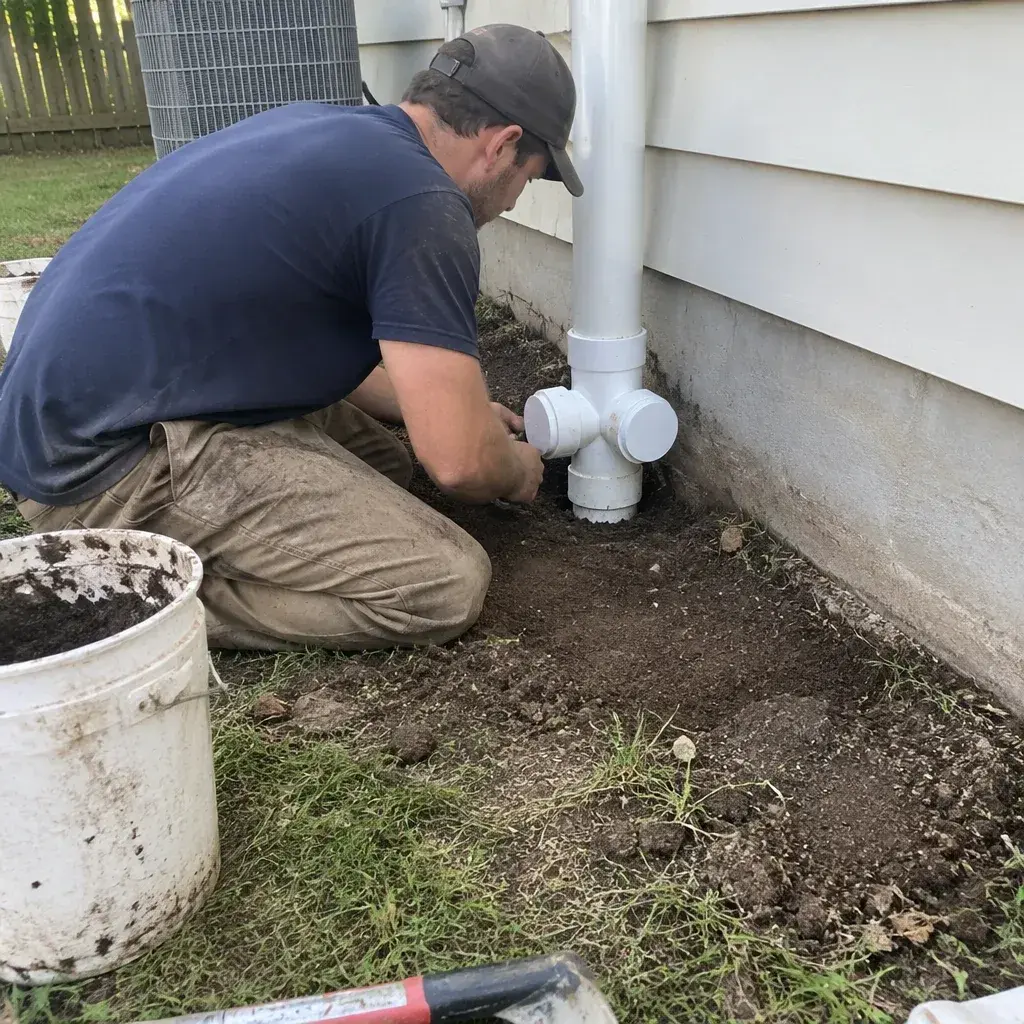
Returning Home
When can you return after sewage cleanup in Everett? Follow an ordered check of completed work, inspection findings, drying, and area-by-area readiness.
Read article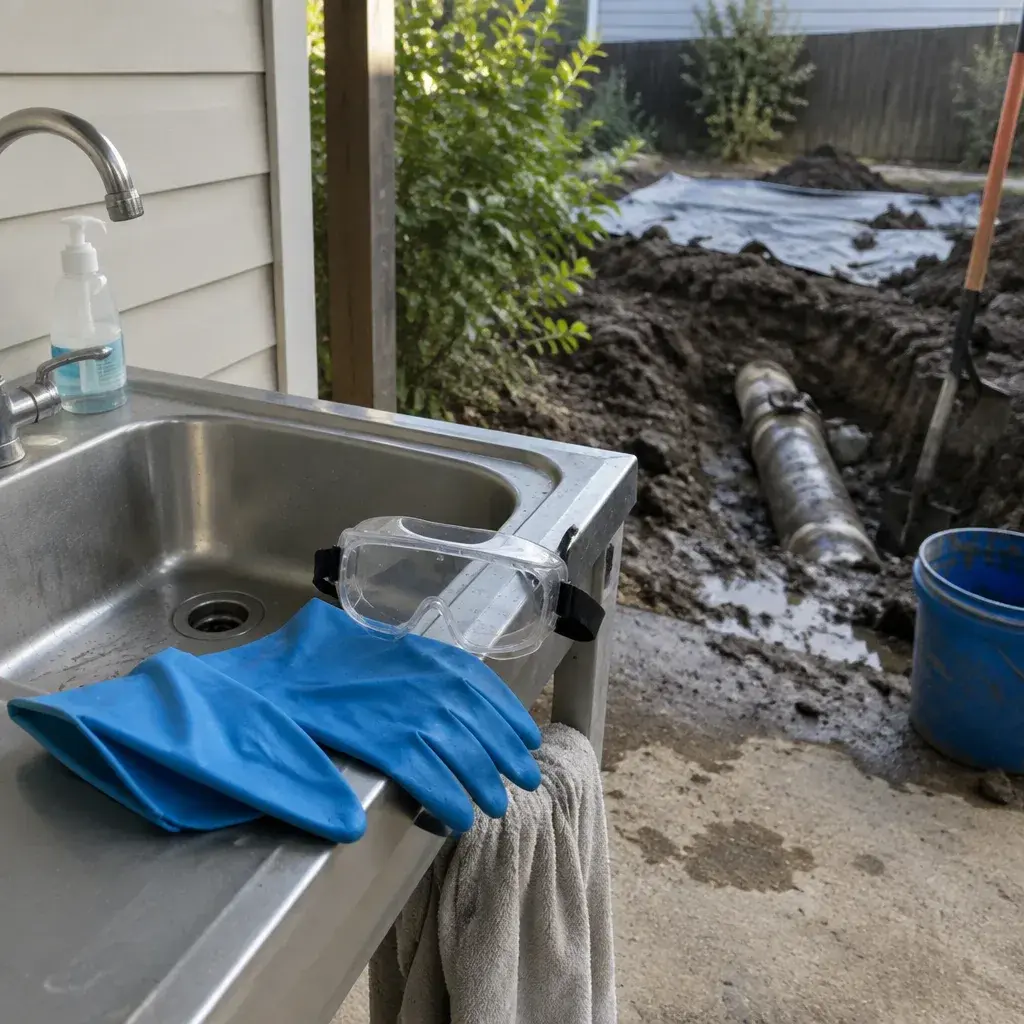
Keep sewage contained while the pros we connect you with clean and dry your basement.
On an Everett property, a basement backup may show first as wastewater at a floor drain, a utility sink, or residue along a lower wall; the visible wet spot may not show the full affected area. Keep people and pets out, leave soaked belongings where they are, and note which rooms and fixtures are involved. Those details help the pros we connect you with assess the basement before cleanup begins.
In Everett, the estimate turns on the contaminated footprint, the amount to extract, materials that must be discarded, and how equipment and debris can move through the home. Tight stairs or a long route from the basement can add handling time; a small commercial property may have a different entry and floor plan. The pros we connect you with check those conditions before setting the work plan. Drying takes longer when moisture remains inside building materials, even if the exposed floor seems dry.
Everett’s north and south sewer areas differ; Basement Sewage Cleanup addresses sewage damage indoors, while Snohomish, Lake Stevens and Mukilteo are coverage examples, not proof of a property’s sewer connection.
For a house, use Sewer Backup Cleanup; if you manage rental units or a business, commercial sewer backup cleanup covers cleanup for those properties.
Wastewater around a floor drain or at the base of a utility sink can mark the entry point, but the spread may reach farther than the wettest spot. Check for residue on the route toward stairs, storage, or the furnace area without walking through or touching it. In Everett, note the affected rooms and keep the area undisturbed for assessment. The visible boundary helps guide cleanup, but it does not establish which sewer system or connection is involved.
Raised flooring seams, loose base trim, or wall paint that blisters can signal that sewage reached the layers beneath the finish. A basement near Forest Park may have different finishes from a small shop near Silver Lake, so the same surface clue does not settle what can stay. Avoid pulling back flooring or trim yourself; disturbance can spread residue. The cleanup assessment checks the affected construction before deciding how to handle it.
A strong sewer smell around boxes, a floor drain, or the bottom of a cabinet can point to residue caught in clutter or a surface that has not been treated. Fabric and cardboard take up contaminated water, while smooth items may hold residue on the outside. Note where the odor is concentrated and tell the cleanup professional. That detail can help direct attention to overlooked corners and contents during the basement assessment.
The assessment maps sewage contact, affected belongings, and damp building materials so the scope reflects the actual basement rather than its visible wet spots.
A barrier separates the work zone from clean rooms while equipment extracts contaminated water, limiting transfer along the basement entry route.
Loose soil and wastewater residue are removed from affected surfaces before disinfection.
The licensed pros we connect you with can dry wet materials after disinfection to help keep moisture from lingering.
Basement finishes can cover floor edges, wall bottoms, and spaces beneath cabinets where residue collects. If those junctions are missed, odor or moisture may linger after the open floor has been treated. Everett homes and small commercial spaces vary in layout, so the cleanup plan needs to follow the affected rooms and materials. A careful assessment helps direct cleaning, removal, and drying where they are needed.
Photos of affected rooms and belongings can preserve a record of what the backup reached. That citywide record is useful context, but it cannot show why sewage entered a particular basement or identify the responsible connection. If you are near Riverfront Park, as elsewhere in the city, use your property address when checking which sewer agency to contact about a possible public system issue. Keep cleanup decisions tied to the contamination found inside the building.
Everett’s combined sewer service in the north and separated sewer service in the south do not establish which system serves a particular address or who maintains its connection. Confirm the property’s provider before assuming the backup came from a public sewer. If a backwater device is part of the setup, Everett’s program applies to designated connections and assigns maintenance to the owner. Wastewater surfacing at multiple fixtures can point to a broader plumbing backup rather than an isolated drain problem.
Everett's Basement Sewage Cleanup estimates in Everett offer a starting point; ask the pros we connect you with whether a site visit costs extra and to put scope details in writing.
| Contact Zones | Treatment Steps | Labor Drivers |
|---|---|---|
| Spot-sized | Near the Interurban Trail: assess the affected space and outline cleanup needs | an estimated $7,000–$14,000 |
| One compartment | Documented areas receive agreed removal, cleaning, disinfection, odor treatment, and drying | an estimated $8,050–$18,200 |
| Linked zones | Add rooms or materials when the assessment identifies and documents them | an estimated $7,000–$14,000 |
| Full structure | A defined interior area assessed for affected materials and required cleanup | an estimated $16,800–$56,000 |
Moisture held inside building materials can extend drying, while sewage-soaked porous items may have to go before remaining surfaces are disinfected. Odor treatment can add work. More durable replacement materials chosen during rebuilding may also shift the figure; the full pricing guide explains these cost factors.
The pros we connect you with assess the basement, separate the affected space, and extract sewage. They then handle contaminated contents and surfaces, treat odors where needed, and dry affected building materials. In Everett, the layout and access route can affect how long handling takes. If the cause still needs attention, contact a plumber to investigate or repair the sewer line.
Sewage soaked into porous materials such as carpet padding, cardboard, or absorbent wall finishes may penetrate beyond what surface treatment reaches. Those items may need to be discarded. A cleanup professional can examine the material and extent of exposure before deciding. Keep belongings out of the affected basement until that assessment is complete.
Keep out of the basement and keep children and pets away from contaminated water, contents, and surfaces. Do not handle wet belongings or step into pooled wastewater; wait for a cleanup professional to assess the area. Standing water can conceal how far contamination has reached across the floor.
The cost depends on how much of the basement was reached, the volume of sewage, what must be removed, and the effort needed to access affected rooms. Cleaning, odor treatment, and structural drying also shape the scope. Everett homes and small commercial properties differ in layout, so an assessment is needed before the work can be priced.
Odor treatment may follow the removal of sewage and contaminated debris, after affected surfaces have been cleaned. Drying then addresses moisture inside building materials, with progress checked in the affected areas. A basement can need more drying even when its open floor feels dry. The remaining work depends on what the assessment finds.
Cleanup treats contamination and damage inside the basement. Drying helps limit further damage to materials affected by the backup. The source can require work even after the interior cleanup is complete, so contact a plumber when that diagnosis or repair is needed.
Basement sewage cleanup $7,000–$14,000 for this work. Cost shifts with the footprint, sewage-exposed materials to remove, and drying needs; a finished floor at home or stock in a shop can change the scope the pros we connect you with price after inspection.
Learn why sewage-soiled porous materials may need removal before affected surfaces can be cleaned.
When can you return after sewage cleanup in Everett? Follow an ordered check of completed work, inspection findings, drying, and area-by-area readiness.
Read article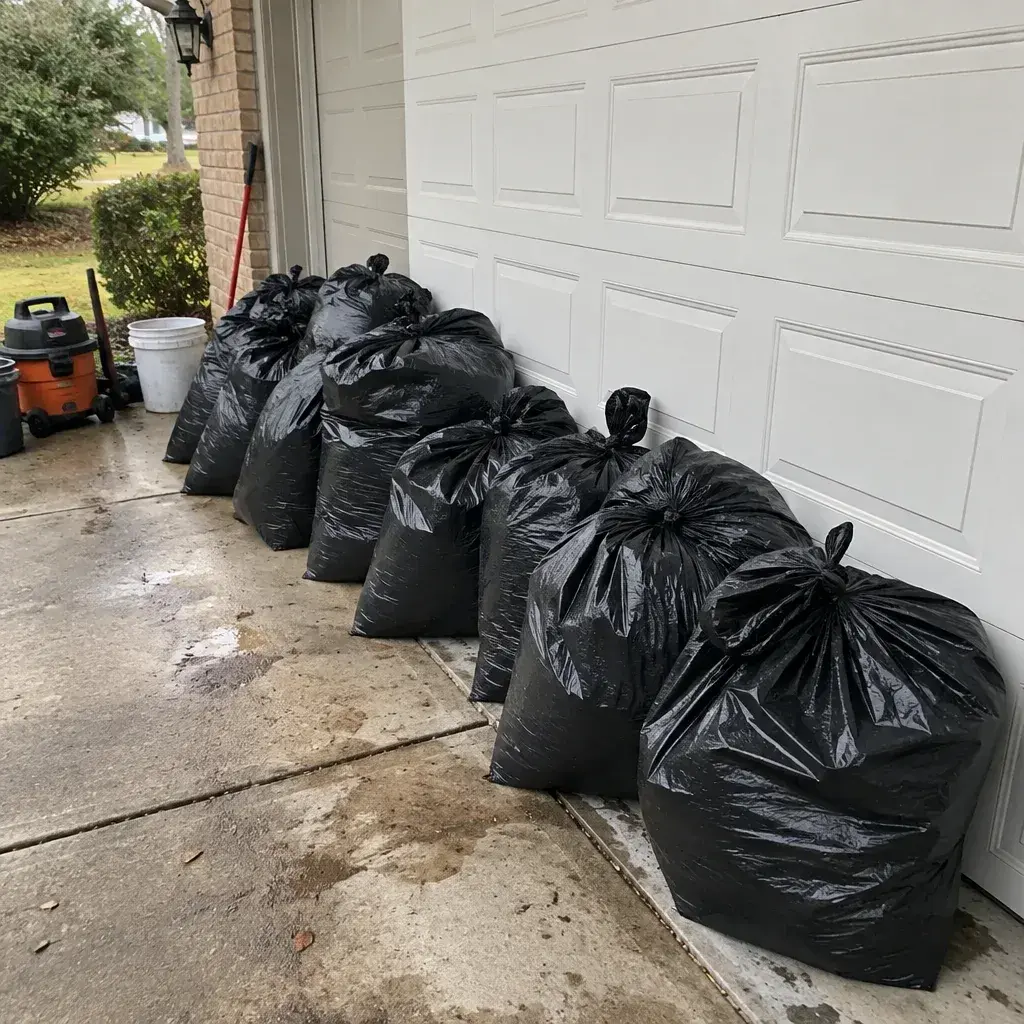
How quickly can a cleanup company reach an Everett property after a sewage backup? Ask what details the provider needs before discussing an arrival estimate.
Read article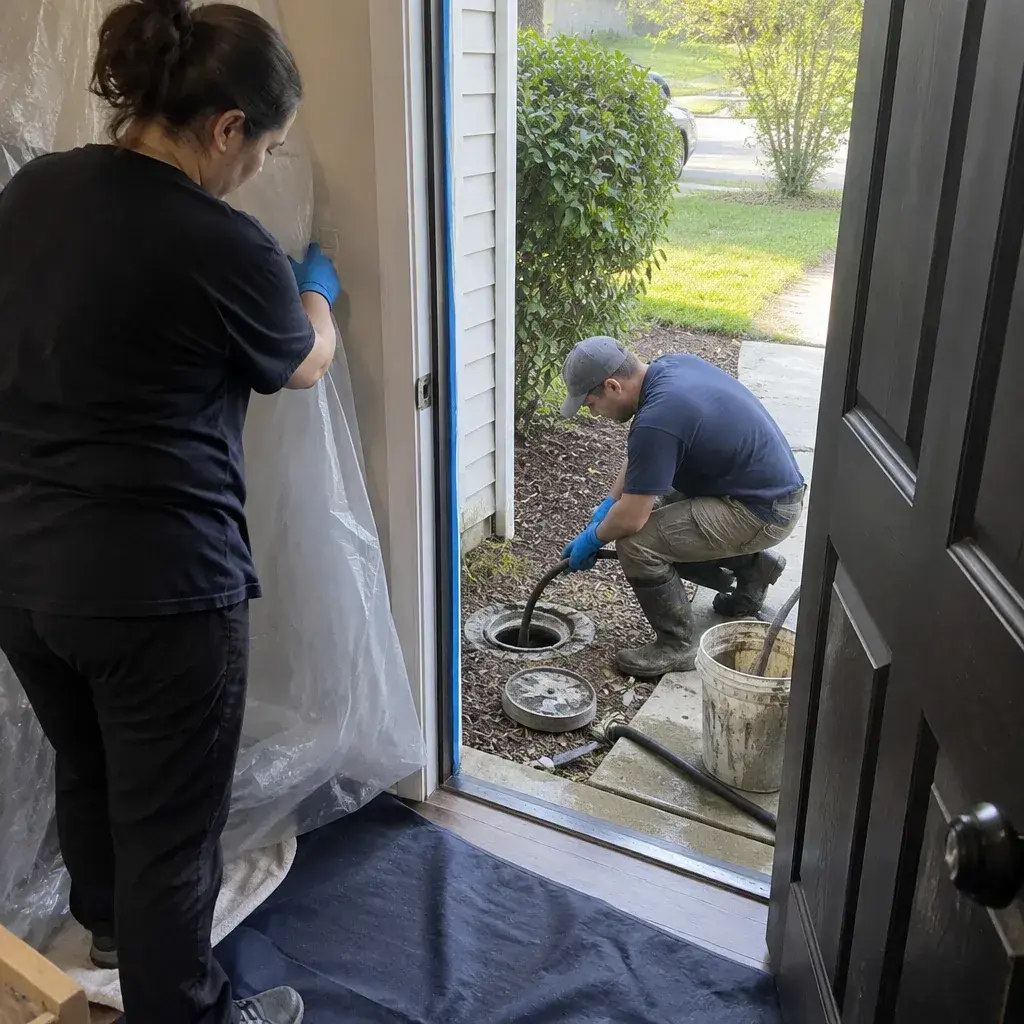
Can you stay home during sewage cleanup in Everett? See how room access, containment, and household needs shape that decision.
Read articleAt the first call, give the pros we connect you with the address and your account of where the backup appeared. For an Everett address near Howarth Park or Langus Riverfront Park, a ZIP alone does not show which sewer provider serves the property or who maintains its connection. Ask when an assessment is available and what the estimate includes: sewage removal and disposal, possible removal of absorbent materials, cleaning and disinfection of remaining surfaces, odor treatment, and structural drying. Have those tasks and related charges listed in the written scope. A plumber may need to trace or repair the line separately.
Call (425) 548-1770