Records That Help Explain the Damage
Everett publishes monitoring for combined sewer overflows, which can provide regional context during wet weather. A monitoring notice cannot show what happened at your address. Use it as background, then rely on the entry point and an on-site assessment to understand indoor conditions.
Everett's collection service extends into portions of Mukilteo and Mill Creek, so a nearby address may have a different sewer provider. Confirm the provider for your property before reporting a suspected public-system problem; city boundaries alone do not settle responsibility.
From an Everett home to a small commercial space elsewhere in Snohomish, the first question is whether sewage has affected the building interior. Tell the pros we connect you with the address and what was reached so they can confirm service and discuss cleanup needs.
Surfaces Ready for Use
- Keep Clear
- Everett publishes overflow monitoring; a regional notice cannot establish what entered an individual building.
- Affected Rooms
- Water emerging from a plumbing fixture identifies an entry point, not the backup's cause.
- Surface Care
- Service reaches portions of Mukilteo and Mill Creek, so confirm the sewer provider for your address.
- Drying Needs
- Photos from a dry location can record waterlines and affected rooms before cleanup changes them.
- Source Review
- Forest Park and the Snohomish River are Everett landmarks, but neither identifies a property's sewer route.
- ODOR TREATMENT
- Everett's wet-weather months can bring overflow concerns, but seasonal timing cannot identify why sewage appeared inside a particular building. Note when the water arrived and where it entered; those details give the assessment useful context.
- DISINFECTION
- an estimated $2,700–$6,800
Check Whether Water Came From Above
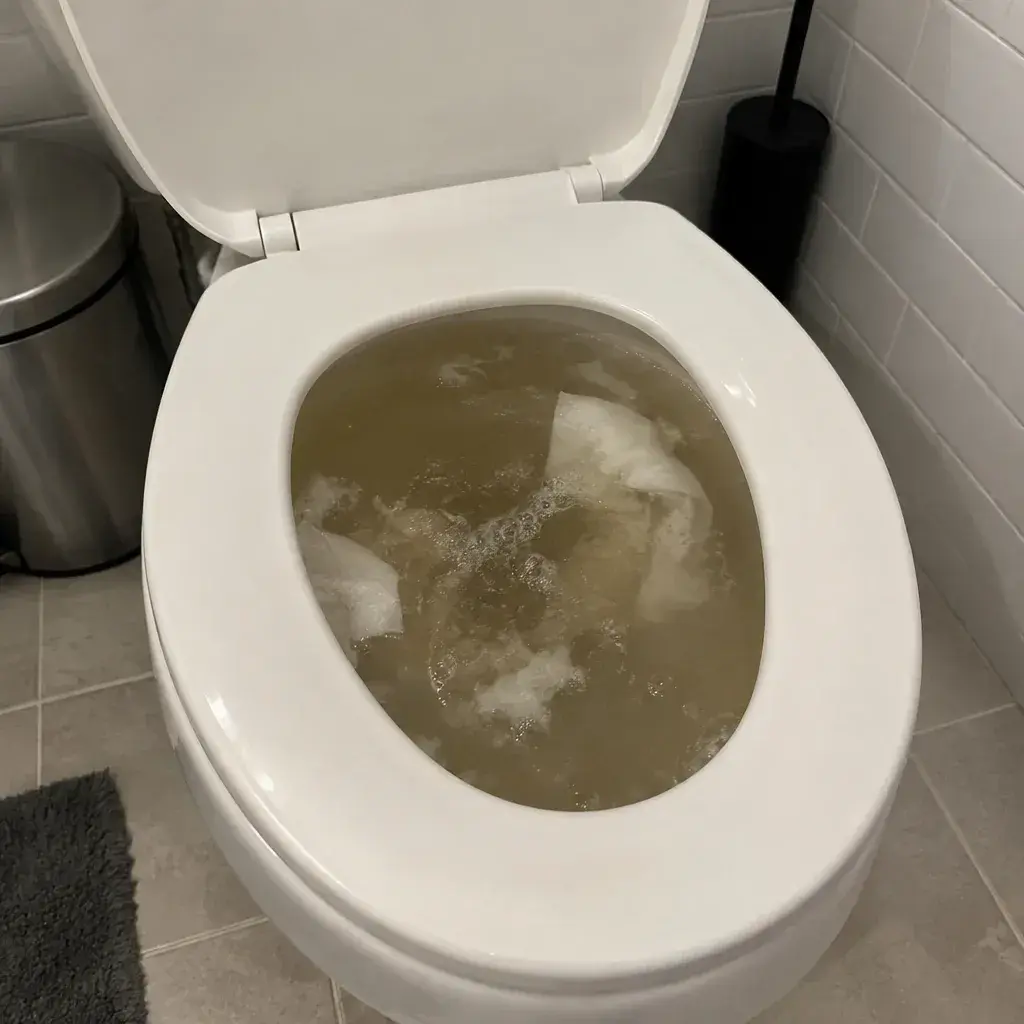
Surface floodwater can enter from outdoors and leave mud or debris, while sewage may emerge through an indoor plumbing opening. Both can leave a wet floor after rain, and appearance alone cannot reliably show whether sewage is present. Check the entry route: water emerging from a plumbing fixture points to an indoor plumbing opening, while water crossing an exterior threshold came in from outside. Neither route alone identifies contamination or cause. Note where it appeared without entering the affected area.
When Cleanup Hands Off To Plumbing
The pros we connect you with first define the affected rooms and separate them from clean areas to limit tracking. They extract sewage, then identify absorbent materials that may need removal. They check for contamination beyond the first visible spot before cleaning begins.
After cleaning, the pros we connect you with assess which parts of the structure retain moisture and dry those areas. Odor treatment may follow once contamination has been addressed. In an Everett home or a small shop, the work area and affected materials determine which steps are needed.
Scope and drying needs shape the cost. One visit may be enough if the backup has stopped, sewage is confined to accessible surfaces, and cleanup and drying can be completed. If moisture remains in building materials, follow-up drying may be needed. The materials sewage reaches help determine the cleanup work.
WHICH CONDITIONS KEEP DAMAGE WORK IN THE CLEANUP SCOPE
| Surface Disinfection |
Review Cost Drivers |
|---|
| Early discovery limited material damage | Structure cleanup |
| Contamination showing up again after sanitation | Source-line diagnosis |
| Residue reaches separate surfaces and belongings | Clear soiled materials; sanitize surfaces, dry |
Household Tasks That Avoid Sewage
Stay out of standing water, especially if electrical equipment or outlets may be wet. Avoid using affected plumbing until the source has been checked. Keep others clear. Leave sewage removal, contaminated-material handling, and disinfection to the pros we connect you with; ask the sewer provider or responsible party to investigate the source.
Precautions While Cleanup Is Underway
Sewage can expose you and pets to harmful contaminants through contact with wet floors, splashes, or soiled belongings. Do not walk through the water, handle soaked items, or run a fan across the room; these actions can carry contamination into cleaner spaces. If someone has had contact or feels unwell, seek medical advice. Keep children and pets away while the affected rooms are assessed.
Which Surfaces Need Cleaning and Disinfection?
Request a breakdown covering sewage extraction, disinfection of affected surfaces, and moisture removal; the condition of each area changes the work required.Keep the written assessment handy to review which cleanup tasks are listed before discussing any additional work with the licensed pros we connect you with. Work beyond that list falls outside its scope. Ask the pros we connect you with to confirm any visit charge and the exact work directly before scheduling.Open the pricing guide to compare cleanup bands as affected rooms and materials change.