Retail Cleanup
Retail sewage cleanup
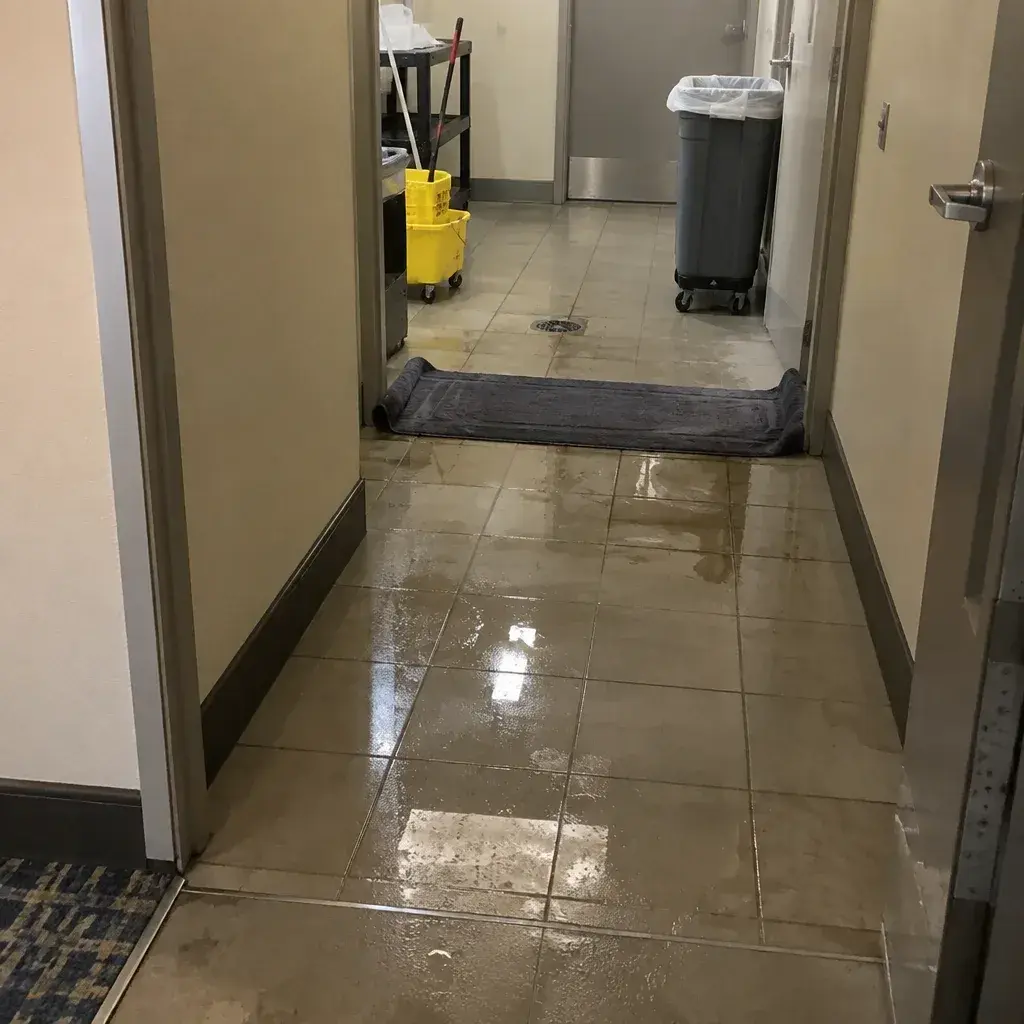
Plan hotel sewage cleanup around room access, shared spaces, guest occupancy, and practical work windows.
Hotel sewer backup cleanup starts by isolating affected rooms and shared spaces, then scheduling work in phases with hotel operations. Sewage is removed, impacted materials are assessed, and suitable surfaces are cleaned and disinfected before drying. Managers coordinate access and review each zone before it returns to use.
The cost of hotel sewer backup cleanup in Everett depends on how many guest rooms and shared spaces need work, what materials are affected, and how access can be scheduled. A guest room backup may call for a different work window than contamination near a lobby or service corridor. Hotel sewage cleanup therefore starts with the footprint and the operating calendar. The pros we connect you with can assess the affected spaces and help plan work in phases around rooms that must remain available.
In Everett, the first scheduling choice is where to draw the work boundary. Keep guests and staff out of contaminated rooms, and plan how workers and removed materials can move without crossing occupied areas. Containment helps separate the work zone from clean space. If the route to a room passes through a shared area, that area may need its own access limits or work window. A hotel can then decide which nearby rooms or services need temporary changes.
A usable map gives the Everett cleanup discussion a shared starting point. Mark each affected room, the nearest shared spaces, access doors, and routes guests or staff normally use. Add notes on when rooms are occupied and when housekeeping or maintenance needs access. This helps the team compare possible work sequences before belongings or furnishings move. If your hotel is near Langus Riverfront Park, that landmark can help identify the property in planning notes without suggesting anything about the backup’s cause.
Room status needs to be clear to the people assigning guests and servicing floors in Everett. Use brief labels such as restricted, being assessed, in cleanup, or pending review, and have one manager update them as access changes. Front desk staff can use that information when placing guests; housekeeping can avoid entering a restricted room. Give each shift the current status and the approved route around the work area so an old update does not send someone into it.
Shared spaces in an Everett hotel may need a separate schedule from guest rooms. A corridor, elevator landing, or service route can affect several floors even when the original backup was confined to one room. Compare alternate paths and quieter work periods with hotel operations, then set access limits for the space that must be treated. If no separate route is available, plan for a temporary interruption and tell the affected teams before work begins.
| Space | Access window | Work notes |
|---|---|---|
| Guest rooms | Group closures by floor or wing | Review each room before returning it to bookings |
| Guest corridors | Reserve access periods for contained work | Keep staff movement clear of the active zone |
| Front desk | Set check-in away from the work route | Use Japanese Gulch as a map reference when locating the property |
| Dining room | Choose a gap between meal periods | Check whether guests can reach service without crossing work |
| Meeting and event rooms | Plan entry outside food preparation | Keep supplies away from affected areas |
| Laundry and linen rooms | Pause room turnover near active cleanup | Stage carts and linens outside containment |
| Meeting rooms | Compare work periods with event bookings | Confirm the area is cleaned, disinfected, and dry before reopening. |
| Service lift | Assign lift windows for staff and materials | Avoid overlap with guest arrival and departure |
Before contents move in Everett, sort out which items belong to a guest, the hotel, or another party. Photograph affected belongings and furnishings in place, and note their room and condition. This gives the manager a record to discuss with the person who can decide how each item should be handled. Guest property may need a different conversation from hotel-owned items. Keep the room restricted while those decisions are being made, rather than letting normal turnover move items elsewhere.
A hotel in Everett may have separate people who approve room access, contents handling, and temporary operating changes. Identify those decision makers before setting a work sequence, especially when a guest room connects to a shared space used by other departments. Agree on who can release a room for assessment and who can authorize moving hotel furnishings. That avoids a stalled work window when the cleanup professional arrives but cannot enter or shift an item.
For an Everett property, keep the property agreement and relevant policy information available to the manager handling approvals. Terms can affect who may authorize access or removal, and coverage depends on the policy. Photos and notes about affected contents can help when discussing a claim. Keep these records tied to room numbers and shared-space names so they remain useful if several areas are assessed in different phases.
Assessment in Everett should follow the affected space beyond the obvious wet floor. Check nearby surfaces, furnishings, and adjoining areas for signs of contact or tracked material, then note which items need removal, cleaning, or drying. This room-by-room view helps distinguish a contained guest room backup from a wider impact on a corridor or connected area. The findings shape both the work boundary and the sequence, so update the plan if inspection identifies another affected space.
Once the work area is controlled, cleanup in an Everett hotel can proceed through sewage extraction, removal of materials that cannot be adequately cleaned, and cleaning and disinfection of suitable surfaces. Disinfectants need to follow their label directions, including contact time. Odor treatment may follow removal and surface cleaning. Affected building materials are then dried. The sequence matters: furnishings and absorbent materials can block access to surfaces, while lingering moisture can extend the time before a room is ready for review.
In Everett, visible water disappearing is not enough to make a guest room ready for use. Review whether affected surfaces received the planned cleaning and disinfection, whether materials that needed removal were addressed, and whether the structure has dried as intended. The manager can then consider any remaining odor or access concern before changing the room status. Keep the room out of service until the people responsible for that review agree it can return to the hotel’s normal process.
Phased work may let an Everett hotel keep some operations running when clean and affected areas have genuinely separate boundaries and routes. For example, an unaffected floor may remain accessible if guests and staff do not pass through the work zone. A property near Howarth Park can still face a different layout and access problem from another Everett hotel; the building plan, not the landmark, determines whether separation works. Revisit the arrangement if the assessment expands the affected area.
When speaking with the pros we connect you with in Everett, ask how they would divide guest rooms from shared areas and what access each phase requires. Discuss the proposed work windows, how room status will be communicated between shifts, and what conditions managers should review before a space returns to use. If a route cannot be kept separate, ask what temporary operating change the plan assumes. These details help hotel teams judge whether the sequence fits the property’s needs.
A practical next step for hotel sewage cleanup in Everett is to mark affected guest rooms and shared spaces, then discuss a phased assessment and cleanup plan with an independent cleanup professional. Include room occupancy, staff routes, contents needing decisions, and spaces that must stay accessible. A hotel near Silver Lake or the Snohomish River still needs a plan based on its own layout and findings; neither nearby place establishes what caused a backup or which areas were affected.
In Everett, commercial sewage cleanup cost depends on how the hotel can make space available: room access, shared-area hours, guest moves, and the number of work phases all shape the plan. A guest room backup may affect reservations differently from a lobby or service corridor that guests pass through all day. Aligning access windows with hotel operations can limit disruption, though occupied areas may require a different sequence. The pros we connect you with can review the affected footprint and proposed schedule before work is organized.
Cleanup may involve removing affected materials, disinfecting surfaces, and drying the structure; these communities indicate where that indoor work may be available, includingSnohomish, Lake Stevens and Mukilteo. Near the edge of a service zone, confirm reach and any mileage or inspection fee with the pros we connect you with.
Commercial sewer cleanup is commonly quoted per visit; the footprint and any return attendance shape scope. A compact office near Forest Park may differ from a customer-facing suite where sewage reached porous finishes. In Everett, $7,000–$14,000 is a guide; material removal and structural drying can move the estimate.For an Everett shop near North Creek, the affected footprint, equipment, and finishes determine the work list and price; a larger site can involve more rooms and surfaces. When calling, identify where sewage traveled, which materials were reached, what spaces must stay usable, and ask the pros we connect you with to spell out removal, cleaning, disinfection, and drying.The pricing guide tracks how material removal and drying affect the bill; the commercial overview describes coordination for commercial Sewer Backup Cleanup.
Retail sewage cleanup
Restaurant Sewage Cleanup
Everett Facility Guide
Set a boundary around the affected zone, then have hotel operations direct guests and staff along routes that do not cross the work area. Front desk and housekeeping can coordinate room changes, deliveries, and service access as the schedule shifts. At a hotel in Everett, keep the route plan visible to staff and update it when work moves to another room or shared space.
Keep a room-by-room operating record: note when a space was taken out of service, what contents were affected, and when the boundary or work window changed. Add dated observations and photos where useful, and keep guest room and shared-area notes distinct. This gives managers a clear account of how the event affected hotel operations without mixing separate zones together.
Review each room or shared zone on its own before restoring normal access. Confirm the cleanup assessment is complete, surfaces have received the planned treatment, and the area no longer needs to remain isolated for work. Check stored items for dampness too, since the review should cover more than visible surfaces.
Use the hotel’s street address when checking which sewer provider or service area applies. Everett includes different sewer service areas, and a ZIP code or nearby landmark cannot establish a particular property’s connection or identify what caused its backup. Keep that uncertainty separate from the room schedule until the source and applicable provider are confirmed.
Map affected rooms and shared spaces, then review a phased assessment and cleanup schedule with an independent cleanup professional.
Call (425) 548-1770