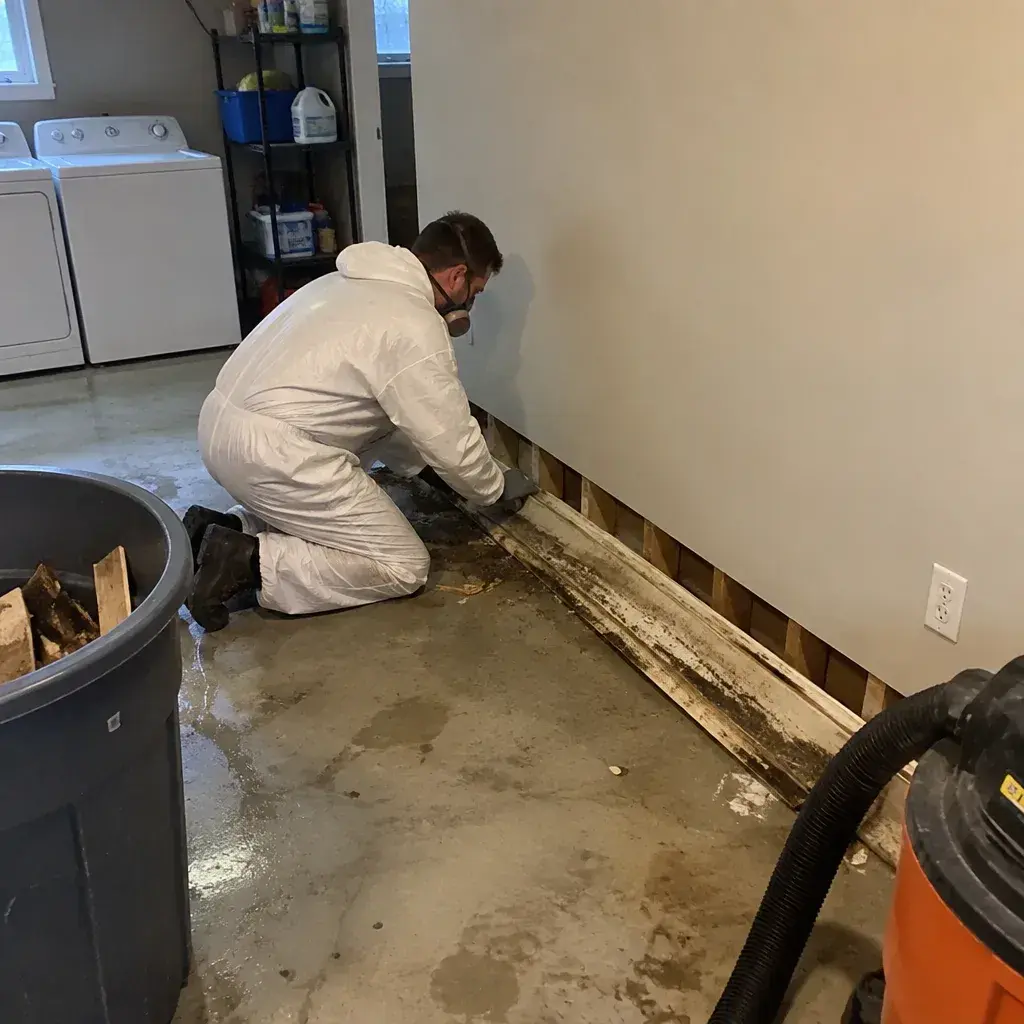
Assess Sewage-Exposed Belongings in Everett
Everett’s October-to-May overflow reports provide seasonal context; they do not establish why a particular home backed up or which belongings are salvageable.
Record each item's source location, material, condition, and known or suspected sewage exposure in an inventory. Reviewing each entry keeps an item's exposure details together with its material and condition.
Read Exposure in Seasonal Context
Contaminated material removal cost turns on which belongings were exposed and whether their construction can tolerate cleaning. In Everett, seasonal use affects what you may need to identify first: winter coats, stored decorations, or papers kept in a basement cabinet. The pros we connect you with can assess each item before a sewage damage packout, then log exposure, visible condition, handling choice, and destination. A home near Forest Park or Howarth Park may have different storage priorities than a small shop near Silver Lake. Keep the inventory with photos and any cleaning or disposal records.
Exposure is not always obvious from the outside. Sewage may reach seams, padding, joints, or unfinished surfaces, while a smooth, sealed object may have a different cleaning outlook. Note whether contact is visible, suspected, or unclear, and describe the material and parts you can inspect. In an Everett home, a damp item should not be treated as clean just because no residue shows; avoid handling affected belongings until the area has been assessed.
Seasonal overflow reports are citywide context, not proof of what happened at a particular address. Whether you live near Forest Park, Howarth Park, or Silver Lake, those place names cannot establish your sewer connection, the cause of a backup, or which belongings were exposed. Record when you noticed the problem and what you observed, then confirm the property's sewer arrangement with the appropriate provider. That keeps the belongings record tied to evidence from your home.
Build an Item-by-Item Record
An inventory makes each handling choice traceable. Give every belonging, or clearly defined set, its own identifier; include where it came from, what it is made of, and whether sewage contact is observed, suspected, or undetermined. For a household, a lamp and its fabric shade may need separate entries. In a small Everett shop, items from a stock shelf may be grouped only when they share the same material and condition. Keep the description specific enough to recognize each entry later.
Describe what you can see without guessing at what is hidden. Note discoloration, residue, dampness, damaged finishes, or an odor, and mark areas you could not inspect. Photos can show an item's condition and position; connect each image to its inventory identifier and record when it was taken. For items in an Everett property, this creates a useful before-handling record. Keep observations separate from decisions about cleaning or disposal, which may change after assessment.
A sewage damage packout moves belongings out of an affected area while keeping their identity intact. Assign each container a label that points to the inventory entries inside, the source location, and its current status. If objects from different rooms share a container, list each one rather than labeling the box with a broad description. The pros we connect you with can use those links to return an item to its record. In Everett, keep packed belongings separate from unaffected property while handling is pending.
Separate, Label, and Hold Packout Items
Belongings from the same affected area may need different salvage decisions. Sewage contents cleaning may suit some hard, nonporous belongings, but absorbent interiors, fabric, or unfinished components can retain contamination that surface treatment cannot reach. Record the proposed handling decision and any limits in the item's file. In an Everett residence or small business, a visible clean surface alone does not establish that the whole object is suitable to keep.
Storage should preserve separation and status, not leave an item's next step to memory. Record where each container is held, whether its contents await review or cleaning, and who updated the record. Do not mix items awaiting assessment with belongings cleared for return. In Everett, an inventory entry can link a stored item to its source location and later handling notes, helping you track it even if the original room is being cleaned or dried.
Set Cleaning or Disposal Status
If an item is set aside for disposal, record the reason alongside its identifier and observed condition. Note the exposure concern, the decision, and the date of the handling; if a group is discarded together, define exactly what the group includes. In Everett, photographs and disposal notes can keep the decision understandable after the belongings leave the property. Avoid marking an item for disposal solely because it was in the same room as affected materials; document its own known or suspected exposure.
Bring the room observations, inventory, linked photographs, container labels, storage locations, and final handling notes into one file. That gives you a way to follow each sewage-damaged belonging from initial assessment through cleaning or disposal. If the backup's source is still uncertain, keep that question separate from the materials record; a plumber diagnoses or repairs sewer-line problems, while cleanup addresses contamination inside the structure. In Everett, confirm the relevant sewer provider by address rather than assuming responsibility from location alone.
Packout Notes for Each Stage
- Give each belonging an ID; mark sewage contact as observed, suspected, or unclear, and note parts that could not be inspected.
- Match container labels to inventory IDs, original locations, contents, storage places, and current handling status.
- For disposal, preserve the item's condition, exposure concern, decision, and related photographs in its record.
- For each Everett item, note the season and date found, likely contact route, material type, and changes that could affect a cleaning review.
- Before packout, link each item to its inventory entry, photos, and destination; keep pending-cleaning belongings apart from items cleared for return.
- If cleaning is unsuitable, record the reason, decision, and available removal or disposal documents so the item’s final status can be followed.
Questions People Ask
Can sewage-exposed belongings be cleaned or should they be discarded?
Some belongings may be candidates for sewage contents cleaning when contamination is limited to parts that can be thoroughly cleaned and disinfected. Absorbent or unfinished components can hold contamination beyond the visible surface, so record the item's materials, contact concerns, and condition before deciding. Keep the decision with its inventory entry; appearance by itself does not establish that an item is safe to return.
What should I include in a belongings inventory before packout?
Assign each belonging a distinct inventory identifier, then note its source area, construction, visible condition, and whether sewage exposure is confirmed, suspected, or unclear. Link photographs to that identifier and record parts you could not inspect. For an Everett property, keep observed details separate from conclusions about cause or sewer responsibility; those require their own evidence.
How should packed items be kept while cleaning decisions are pending?
Label each container with its contents or inventory identifiers, original location, and handling status. Note where it is stored and update the record when its status changes. In Everett, keep packed belongings apart from unaffected property while assessment or cleaning is pending, so a container does not lose its connection to the item's history.
Prepare an Inventory for Review
Whether your Everett property is near Forest Park, Howarth Park, or Langus Riverfront Park, share an itemized list with the pros we connect you with.
Call (425) 548-1770